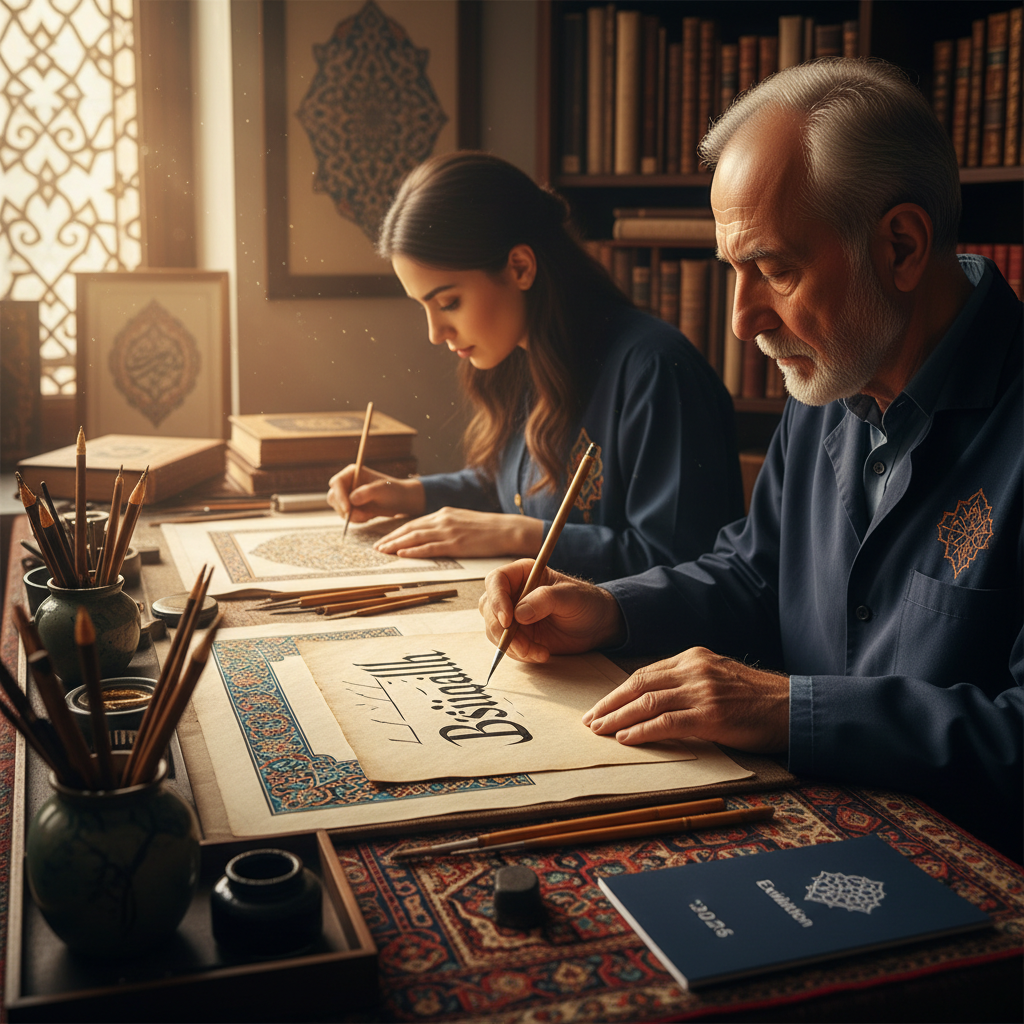
Masterpieces of Calligraphy and Illumination at Eyüp Sultan Mosque in 2026: Tracing Ink and Gold
As we enter 2026, the spiritual heart of Istanbul, Eyüp Sultan Mosque, continues to mesmerize visitors with its rich cultural and artistic heritage. Eyüp Sultan Mosque Calligraphy Art is one of the most striking details adorning the mosque's interiors, reflecting its very soul through centuries of ink and gold masterpieces.
Eyüp Sultan Mosque Calligraphy Art: Following the Ink and Gold in 2026
As we enter 2026, the spiritual heart of Istanbul, Eyüp Sultan Mosque, continues to mesmerize its visitors with the rich cultural and artistic heritage it has carried for centuries. In particular, Eyüp Sultan Mosque Calligraphy Art is one of the most striking details adorning the mosque's interiors and reflecting its very soul. These calligraphic works not only embellish the walls of the place of worship but also showcase the aesthetic understanding of Ottoman civilization and the profound depth of Islamic art. Each letter, each word, seems to have flowed from the artist's soul, poured onto paper with a divine breath. Visitors to the mosque have the opportunity to stand before these unique calligraphic works and witness an artistic tradition stretching from the past to the present.
Historical Depth of Eyüp Sultan Mosque Calligraphy Art
Eyüp Sultan Mosque Calligraphy Art has followed a process of enrichment and development over time, starting from the mosque's construction. The mosque, whose foundations were first laid during the reign of Fatih Sultan Mehmet, underwent significant repairs and additions in subsequent centuries. These works, bearing the signatures of various calligraphers from different periods, exhibit the evolution of Ottoman calligraphy and its diverse styles. For a deeper dive into the mosque's origins, see our article on behind-the-scenes diplomacy and strategic decisions from Sultan Mehmed the Conqueror to 2026.
Early Period Calligraphic Works
With the construction of the mosque, the first calligraphic examples also emerged. In these early works, the distinct styles of leading calligraphers of the period are noticeable. Especially some inscriptions and verses found within the mosque are important documents reflecting the artistic understanding of that era. These works generally feature simpler and more classical lines. To understand the broader context of the mosque's community, read about the faces of Eyüp Sultan Mosque through the centuries.
Traces of Ottoman Calligraphers
During the golden age of the Ottoman Empire, Eyüp Sultan Mosque became an important spiritual center, leading many great calligraphers to produce works in the mosque. Disciples authorized by master calligraphers of that era, such as Şeyh Hamdullah and Hafız Osman, also left their works in this sacred place. Each contributed to the mosque's spiritual atmosphere with their unique interpretation.
Renovation and Restoration Works (2026 Perspective)
The mosque has been restored many times throughout its history. As of 2026, thanks to detailed restoration works carried out especially in recent years, the maintenance and preservation of calligraphic works are being meticulously continued. Taking into account wear and tear due to humidity, light, and time, expert teams carefully handle the calligraphies. In this way, Eyüp Sultan Mosque Calligraphy Art can be passed on to future generations with the same splendor.
Calligraphic Ornaments on the Mihrab and Minbar of the Mosque
The mihrab and minbar of Eyüp Sultan Mosque are the most intense and striking areas in terms of calligraphy art. These two elements have been treated with special aesthetic care due to their central role in worship. The intricate details of Eyüp Sultan Mosque Calligraphy Art on these features enhance their spiritual significance. For more insight into the integral role of these elements, consider reading about the societal reverberations of sermons rising from the minbar.
- Mihrab: The holy verses and prayers around the mihrab are inscribed in various writing styles such as Kufic, Thuluth, and Naskh. Especially the calligraphic works inside the mihrab arch seem to come alive with the reflection of light. These calligraphies draw the congregation into a spiritual atmosphere and reinforce the spirituality of worship.
- Minbar: The balustrades and front panel of the minbar also feature dazzling examples of calligraphy. Texts usually containing important calligraphers' Basmalahs (In the name of God) or eulogies to the Prophet Muhammad are found here. The calligraphies on the minbar add a distinct solemnity to this sacred space where sermons are delivered.
Harmony of Tile and Calligraphy Art: The Interiors of Eyüp Sultan Mosque
In the interiors of Eyüp Sultan Mosque, Eyüp Sultan Mosque Calligraphy Art often appears intertwined with tile art. The unique blue, green, and white of Iznik and Kütahya tiles, with calligraphies written upon them, make a unique contribution to the mosque's overall aesthetic. These tiles, and the calligraphy they display, are an enduring symbol of a rich artistic heritage, much like the historical significance of Islamic calligraphy itself.
Verses and Hadiths on Wall Tiles
The tiles on the panels adorning the mosque's walls contain, in addition to elegant patterns, some of the most beautiful examples of calligraphy. Especially verses from the Quran, such as Surah Al-Fatiha and Surah Al-Ikhlas, or Hadith-i Sharifs, are skillfully inscribed on vividly colored tiles. This combination preserves the legibility of the writing art and emphasizes the decorative beauty of the tile.
Inscriptions Above Doors and Windows
The inscriptions above the doors and windows of the mosque are also important application areas for calligraphy art. These inscriptions usually record the construction date of the mosque, its patron, or significant restorations. The integration of calligraphy with architectural elements creates an artistic depth in every corner of the mosque. Especially the Basmalahs and verses located in the lunettes above the windows transform into sacred texts with the incoming light.
Works of Famous Calligraphers in Eyüp Sultan Mosque
When Eyüp Sultan Mosque Calligraphy Art is mentioned, one of the most important points that comes to mind is the famous calligraphers whose works are found in the mosque. Throughout centuries, many master calligraphers had the honor of leaving their works in this sacred place. The continuous tradition of master and apprentice is a testament to the enduring appeal of this art form, an appeal mirrored in contemporary efforts to preserve it, often through institutions like the Research Centre for Islamic History, Art and Culture (IRCICA).
- Seyyid Abdullah Efendi: Seyyid Abdullah Efendi, an 18th-century calligrapher, has important works in the mosque. His calligraphies can be seen particularly in the dome and some panels.
- Mehmed Şefik Bey: Mehmed Şefik Bey, one of the greatest calligraphers of the 19th century, also has calligraphic panels and inscriptions in Eyüp Sultan Mosque. His elegant Thuluth writings enhanced the mosque's aesthetic value.
- Calligrapher Aziz Efendi: Calligrapher Aziz Efendi, who lived in the late 19th and early 20th centuries, also has many panels and inscriptions in the mosque. His Hilye-i Şerif (a calligraphic panel describing the Prophet Muhammad) works are particularly noteworthy.
In addition to these great masters, many calligraphers, whose names have reached us or not, have also contributed to Eyüp Sultan Mosque. Each has strived to express divine words in the most beautiful way with the power of ink and pen. As of 2026, these works of Eyüp Sultan Mosque Calligraphy Art are meticulously preserved for their artistic and historical value.
Integration of Illumination Art with Calligraphy Art
Eyüp Sultan Mosque Calligraphy Art is not just about writing; it is often crowned with illumination art (Tezhip). Illumination is a valuable decorative art used to adorn, frame, and enrich calligraphic works. These embellishments, made with gold leaf and natural dyes, give calligraphic works the value of a jewel.
Illuminated Panels and Murakkas
Some of the panels and murakkas (single-page calligraphic works) hung on the walls inside the mosque feature the finest examples of illumination art. In these works, the calligraphy is usually centered, surrounded by colorful floral motifs, Rumi patterns, and geometric shapes. Especially the extensive use of gold leaf adds brightness and grandeur to the works.
Illumination Details in the Dome and on the Walls
The main dome and side domes of the mosque, as well as some calligraphic works on the walls, are also adorned with illumination art. These details, combined with the mosque's general lighting, create a dazzling spectacle. Illumination not only emphasizes the calligraphic text but also gives the work depth and volume. In 2026, these works are important elements that enhance the spiritual charm of the mosque.
In conclusion, Eyüp Sultan Mosque Calligraphy Art is not just an art of writing; it is a living heritage reflecting the cultural and spiritual depth of a deeply rooted civilization. Even in 2026, these calligraphies offer visitors an aesthetic feast from the past, carrying a story in every letter and a spirituality in every line. Everyone visiting Istanbul is recommended to see these unique calligraphic and illuminated works up close and have the chance to breathe in the spiritual atmosphere they convey. A visit to the mosque also offers insights into the millennia-old pilgrimages and visitations it hosts.
Sıkça Sorulan Sorular
What makes the Eyüp Sultan Mosque Calligraphy Art significant in 2026?
As of 2026, the Eyüp Sultan Mosque Calligraphy Art continues to be a central feature, reflecting centuries of rich cultural and artistic heritage. These works not only beautify the mosque's interiors but also embody the aesthetic principles of Ottoman civilization and the profound spiritual depth of Islamic art, drawing visitors from around the globe.
How has the Eyüp Sultan Mosque's calligraphy evolved over time?
The calligraphy within Eyüp Sultan Mosque has developed significantly since its initial construction under Fatih Sultan Mehmet. It features works from various periods and calligraphers, showcasing the evolution of Ottoman calligraphy and its diverse styles, from the simpler classical lines of early works to the influential contributions of master calligraphers like Şeyh Hamdullah and Hafız Osman.
Are the calligraphy artworks in Eyüp Sultan Mosque being preserved in 2026?
Yes, as of 2026, extensive restoration and preservation efforts are meticulously underway to maintain the mosque's calligraphic works. Expert teams are carefully addressing wear and tear caused by humidity, light, and time, ensuring that the Eyüp Sultan Mosque Calligraphy Art remains in its original splendor for future generations to appreciate.