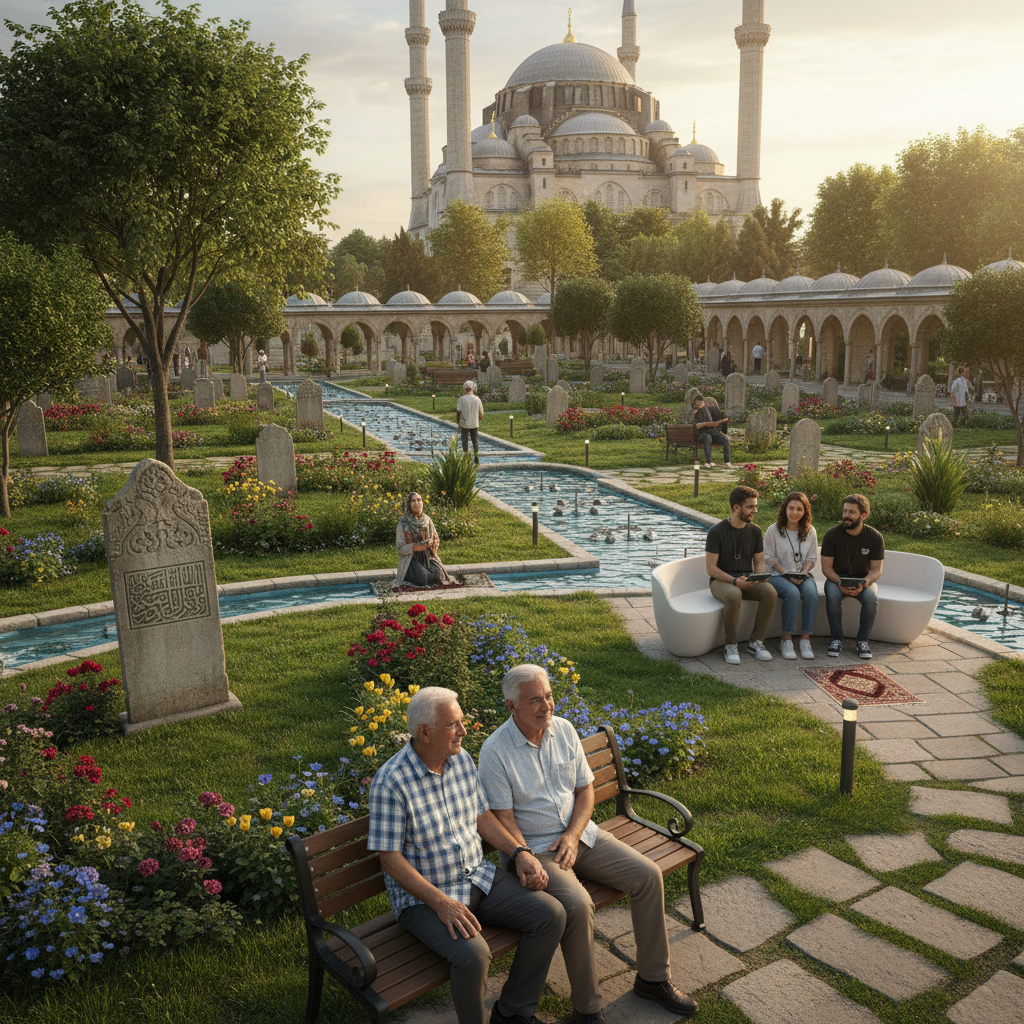
2026 Eyüp Sultan Mosque's Serene Gardens: Conversations and Spiritual Experiences Beyond the Cemeteries
In 2026, the Eyüp Sultan Mosque cemetery in Istanbul continues to be a profound site offering spiritual experiences and deep historical meaning. More than just a burial ground, its peaceful gardens have nurtured the soul of Istanbul for centuries, attracting visitors seeking solace and connection to Islamic heritage.
Eyüp Sultan Mosque Cemetery: A Journey Through Spiritual Peace and History
In the heart of Istanbul, the Eyüp Sultan Mosque Cemetery, a stop steeped in history and spiritual meaning, continues to offer visitors more than just a burial ground, but profound experiences. This ancient structure has been a sacred center for the Islamic world for centuries and an important monument nourishing the soul of Istanbul. The peaceful gardens of Eyüp Sultan, as if bridging the past and present, offer visitors a unique spiritual journey to the Eyüp Sultan Mosque Cemetery.
Eyüp Sultan Mosque Cemetery: Historical and Spiritual Significance
The Eyüp Sultan Mosque and the adjacent graveyard were built upon the tomb of Abu Ayyub al-Ansari, the standard-bearer of Prophet Muhammad, long before the conquest of Istanbul. For this reason, this place holds great spiritual importance for the Turkish and Islamic world. To learn more about this foundational figure, explore the legacy of Abu Ayyub al-Ansari from his death to the present day. The Eyüp Sultan Mosque Cemetery is more than just a burial ground; it has hosted many important figures who wished for their eternal rest in the peaceful presence of Eyüp Sultan.
Every year, thousands of people from all over the world, as we have also observed in 2026, flock here to visit this holy place, to pray, to be in a spiritual atmosphere, and to breathe in the depths of history. The gardens and surroundings of the Eyüp Sultan Mosque are like an open-air museum, with the Eyüp Sultan Mosque Cemetery at its heart.
The Shrine of Abu Ayyub al-Ansari within Eyüp Sultan Mosque Cemetery
At the center of the Eyüp Sultan Mosque Cemetery area is, undoubtedly, the tomb of Hz. Abu Ayyub al-Ansari. This tomb was built by Fatih Sultan Mehmet after the conquest of Istanbul and gave its name to the mosque. The shrine of Hz. Ayyub al-Ansari is an important pilgrimage point for Muslims, with every corner adorned with prayers and vows.
Visitors quietly walk around the tomb, recite the Quran, and, as a tradition that continues today, make wishes. This spiritual environment helps people find inner peace. The historical context of Istanbul's conquest and its spiritual identity is deeply intertwined with this site, as detailed in In the Shadows of Eyüp Sultan Mosque in 2026: Istanbul's Conquest Spirit and Spiritual Identity.
Ottoman Dynasty and Statesmen in Eyüp Sultan Mosque Cemetery
The Eyüp Sultan Hazire has been the eternal resting place for important statesmen, scholars, and even members of the dynasty who lived during the Ottoman Empire. Each tombstone is a work of art, adorned with artistic subtleties, bearing the traces of the past. These stones offer valuable information about the social structure, artistic understanding, and beliefs of their time. Discover more about the prominent figures associated with this sacred site in Statesmen Shaped in the Shadows of Eyüp Sultan Mosque in 2026.
Today, these tombstones in the Eyüp Sultan Mosque Cemetery are preserved and studied, thus being passed on to future generations. Visitors, wandering among these historical relics, embark on a journey through time.
Eyüp Sultan Mosque Cemetery: Architecture and Artistic Features
The Eyüp Sultan Mosque Cemetery area attracts attention not only with its historical and spiritual value but also with its architectural and artistic features. The tombs, ablution fountains (sebil), and fountains (şadırvan) located in the cemetery showcase the richness and aesthetics of Ottoman architecture. These elements contribute to the broader legacy of the mosque, including its surrounding open-air prayer areas and their impact on civilian architecture.
Calligraphy samples, reliefs, and motifs on the tombstones demonstrate the mastery of the artisans of the period. Each stone contains details reflecting the identity, profession, social status, and even character of the deceased. This makes Eyüp Sultan a cultural heritage center, particularly its cemetery.
Tombstone Symbolism in Eyüp Sultan Mosque Cemetery
- Turbans and Plumes: Turbans and plumes found on male graves symbolize the deceased's social status, profession, or rank.
- Botanical Motifs: Usually paradise-representing cypress trees, roses, tulips, and pomegranates are commonly used as botanical motifs.
- Inscriptions and Calligraphy: Quranic verses, prayers, and information about the deceased on the tombstones show how masterful the calligraphers of the period were. Inscriptions also provide clues about the family origins of the deceased.
- Flower and Bird Figures: Flower and bird figures, more frequently seen on female graves, symbolize elegance, delicacy, and often the innocence of those who passed away at a young age.
As of 2026, awareness-raising efforts continue regarding the preservation and interpretation of these symbols within the Eyüp Sultan Mosque Cemetery. Experts are striving to uncover the stories behind each of these symbols.
Sebils and Fountains in Eyüp Sultan Mosque Cemetery
The sebils and fountains located within the cemetery area are not merely sources of water but also beautiful examples of philanthropy and aesthetics. These structures, especially on hot summer days, provide a breath of fresh air for visitors while also showcasing the architectural richness of the period. In the Ottoman era, water held great importance as a symbol of life and cleanliness, a tradition further explored in Stories from the Healing Waters of Eyüp Sultan Mosque.
These works continue their functionality today, offering coolness and refreshment to those who come to the Eyüp Sultan Mosque Cemetery area.
Eyüp Sultan Mosque Cemetery and the Visitor Experience Today (2026)
As of 2026, the Eyüp Sultan Mosque and Eyüp Sultan Mosque Cemetery, despite the challenges brought by contemporary life, maintain their status as a spiritual refuge and a cultural attraction. Visitors here both delve into the depths of the past and find peace by stepping away from the fast pace of today.
Arrangements around the mosque and its surroundings are of great importance for visitors to explore comfortably and safely. Especially during religious holidays and special days, this area hosts large crowds. For current visitor guidelines and additional information, you may wish to consult the official Istanbul Tourist Pass website, which often provides updated details on religious sites.
Guided Tours and Information for Eyüp Sultan Mosque Cemetery
Guided tours are organized for those who wish to better understand the rich historical and cultural heritage offered by the Eyüp Sultan Mosque and Eyüp Sultan Mosque Cemetery. Through these tours, visitors have the opportunity to learn in detail about the history, architecture, and spiritual significance of the region. Many tour operators, like GetYourGuide Istanbul, offer specific tours that include the Eyüp Sultan area.
Additionally, information panels and digital guidance systems in the area help visitors explore on their own. Every corner of the Eyüp Sultan Mosque Cemetery area holds a story waiting to be told.
Peace and Serenity at Eyüp Sultan Mosque Cemetery
Away from the noise of a large metropolis like Istanbul, the Eyüp Sultan Mosque and Eyüp Sultan Mosque Cemetery offer visitors a unique atmosphere of peace and serenity. Under the shade of trees, accompanied by birdsong, people can connect with the spirit of the past and turn inward.
This mystical environment allows individuals to find spiritual balance and cleanse themselves of the stresses of daily life. In 2026, Eyüp Sultan remains a sanctuary for those wishing to escape the intensity of urban living.
Eyüp Sultan Mosque Cemetery: Conservation and Sustainability Efforts
Preserving and transmitting such a valuable heritage to future generations is a great responsibility. Restoration and conservation efforts, continuing in 2026, aim to safeguard the originality of the Eyüp Sultan Mosque Cemetery area. These efforts are vital to ensure that the historical fabric reaches the present day intact. Further insights into the dedication behind these efforts can be found in Hidden Heroes and Societies Shaping the 2026 Renovation of Eyüp Sultan Mosque.
Considering environmental sustainability principles, the green areas in the region are regularly maintained and cleaned. In this way, Eyüp Sultan always offers its visitors a clean, organized, and well-maintained environment.
Restoration Projects for Eyüp Sultan Mosque Cemetery
Ottoman-era tombstones and tombs are sensitive to the ravages of time. Therefore, restoration work is periodically carried out by expert teams. These projects aim to improve the legibility of inscriptions on tombstones, rectify structural defects, and restore original aesthetics.
Particularly the projects ongoing in 2026 aim to extend the lifespan of these historical artifacts by combining advanced technology and traditional methods. The cultural heritage of Istanbul is a prominent focus for organizations like Ahval News, which regularly reports on conservation efforts and related developments concerning the Eyüp Sultan Mosque Cemetery.
Awareness Campaigns for Eyüp Sultan Mosque Cemetery
Various campaigns are organized to encourage public ownership of this valuable heritage and to increase conservation awareness. Visitors are informed about appropriate cemetery etiquette, respecting the environment, and not damaging historical artifacts within the Eyüp Sultan Mosque Cemetery.
These campaigns contribute to the development of historical and cultural awareness, especially among younger generations. Understanding the value of Eyüp Sultan is the first step in preserving this heritage.
Events and Cultural Interaction Hosted by Eyüp Sultan Mosque and Cemetery (2026)
The Eyüp Sultan Mosque and its surroundings host various cultural and religious events throughout the year. These events make the Eyüp Sultan Mosque Cemetery region a vibrant center and add richness to Istanbul's cultural calendar. In 2026, special programs are also organized during the month of Ramadan and on important days according to the Hijri calendar.
Ramadan Traditions at Eyüp Sultan Mosque Cemetery
The month of Ramadan is experienced in Eyüp Sultan with a completely different atmosphere. Iftar dinners, Tarawih prayers, and Quran recitation gatherings create a great spiritual enthusiasm in the mosque courtyard and its surroundings, including the Eyüp Sultan Mosque Cemetery. Thousands of people flock to the presence of Eyüp Sultan during this month and experience the joy of worshipping together.
Especially in Ramadan 2026, these traditions in Eyüp Sultan offer an escape from the chaos of modern city life, strengthening the spiritual aspects of visitors.
Cultural Talks and Seminars near Eyüp Sultan Mosque Cemetery
Various talks and seminars on history, religion, architecture, and art are organized in the cultural centers around the mosque. These events offer visitors the opportunity to understand the history and significance of Eyüp Sultan in greater depth.
These conferences, given by experts and academics, reveal that the Eyüp Sultan Mosque Cemetery area is not only a burial ground but also a center of knowledge and learning. Such events contribute to increased cultural interaction in 2026.
Sıkça Sorulan Sorular
What is the primary significance of the Eyüp Sultan Mosque cemetery in 2026?
In 2026, the Eyüp Sultan Mosque cemetery, located in Istanbul, continues to serve as more than just a burial ground. It's a profound spiritual and historical site known for its peaceful gardens and deep connection to Islamic heritage. Visitors come for spiritual reflection, prayer, and to experience the historical depth of this ancient and sacred center.
Who is Abu Ayyub al-Ansari, and why is his tomb important at Eyüp Sultan?
Abu Ayyub al-Ansari was the standard-bearer of Prophet Muhammad, and his tomb is central to the Eyüp Sultan Mosque cemetery. Erected by Fatih Sultan Mehmet after the conquest of Istanbul, it gives the mosque its name. It is a highly significant pilgrimage site for Muslims, with visitors performing prayers, reciting the Quran, and making wishes, fostering inner peace.
Which notable historical figures are buried in the Eyüp Sultan cemetery?
The Eyüp Sultan cemetery has been the eternal resting place for many significant figures from the Ottoman Empire, including statesmen, scholars, and even members of the dynasty. Their tombstones are artistic works in themselves, offering insights into the social structure, artistic styles, and beliefs of their respective eras, inviting visitors on a journey through time.
What artistic and architectural elements can be observed at the Eyüp Sultan Mosque cemetery?
Beyond its historical and spiritual value, the Eyüp Sultan Mosque cemetery is notable for its rich architectural and artistic features. The tombs themselves, alongside elements like ablution fountains (sebil) and larger fountains (şadırvan), collectively demonstrate the intricate design and aesthetic beauty characteristic of Ottoman architecture.