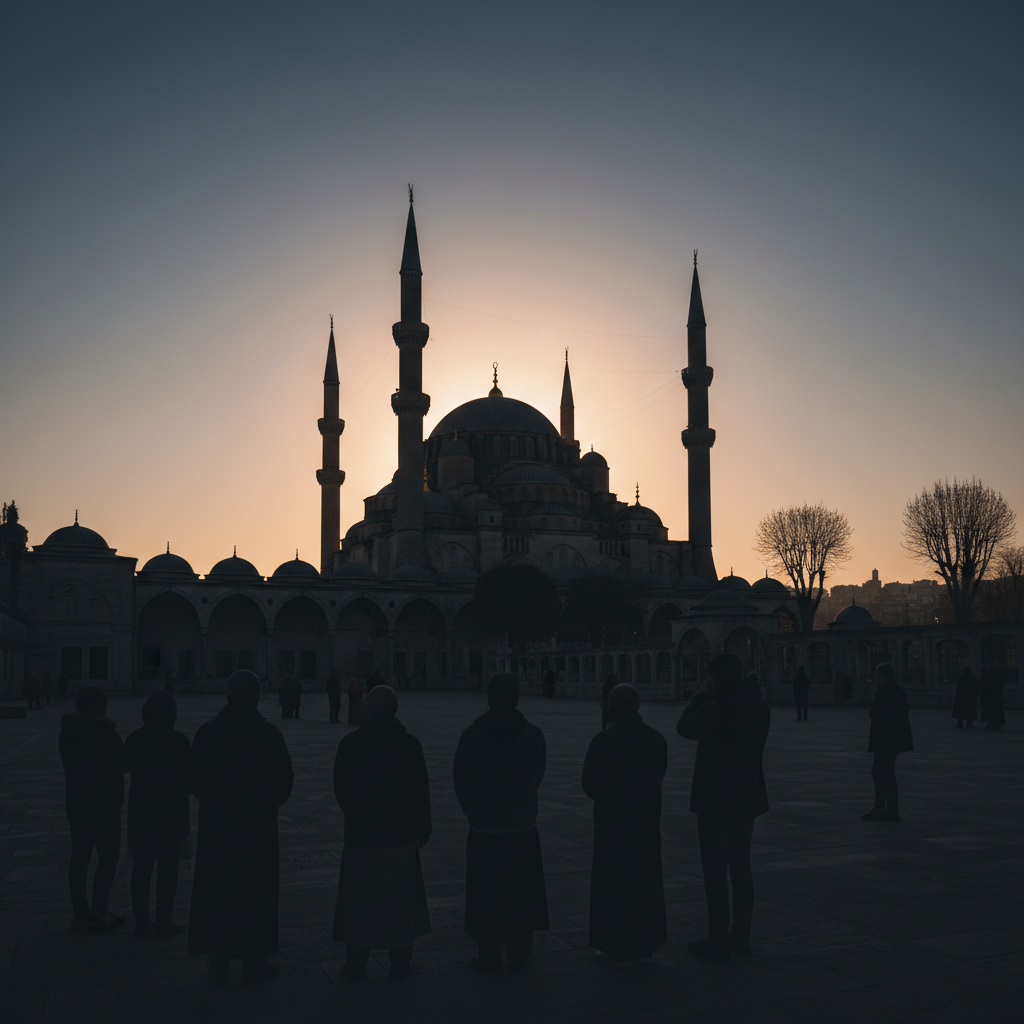
In the Shadows of Eyüp Sultan Mosque in 2026: Istanbul's Conquest Spirit and Spiritual Identity
As we enter 2026, the Eyüp Sultan Mosque Conquest continues to preserve its spirit as vibrantly as on its first day, standing as one of Istanbul's unique spiritual symbols. This historical structure is not merely a place of worship, but also a symbol of Istanbul's conquest, the eternal resting place of Sultan Mehmed the Conqueror's great commander and companion, Hz. Abu Ayyub al-Ansari.
Eyüp Sultan Mosque Conquest: Istanbul's Spiritual Heart
As we enter 2026, the Eyüp Sultan Mosque Conquest continues to preserve its spirit as vibrantly as on its first day, standing as one of Istanbul's unique spiritual symbols. This historical structure is not merely a place of worship; importantly, it also symbolizes Istanbul's conquest, marking the eternal resting place of Sultan Mehmed the Conqueror's great commander and companion, Hz. Abu Ayyub al-Ansari (r.a.). This sacred place offers visitors a deep journey through history and continues to be the center of the city's spiritual identity.
The Eyüp Sultan Mosque Conquest and Istanbul's Spiritual Identity
Built at the command of Sultan Mehmed the Conqueror after the conquest of Istanbul, the Eyüp Sultan Mosque Conquest is one of the most important monuments of that pivotal event. The mosque is not only an architectural masterpiece but also represents the spiritual dimension of the conquest. It truly serves as a starting point for every visitor wishing to understand the soul of Istanbul and the significance of the Eyüp Sultan Mosque Conquest.
Sultan Mehmed the Conqueror's Vision and Eyüp Sultan
Significantly, one of Sultan Mehmed the Conqueror's first acts after taking the city was to locate the tomb of Hz. Eyyub al-Ansari, who is regarded as the spiritual architect of the conquest. Consequently, he had a monumental tomb and mosque built over it. This decision demonstrates that the conquest was not merely a military success, but also part of a spiritual mission that carried the banner of Islam from Anatolia to the Balkans, further solidifying the importance of the Eyüp Sultan Mosque Conquest.
Historical Turning Point: 1453 and Beyond
The great conquest in 1453 was a turning point, not merely for a city, but for an entire era, closing one and opening a new one. The Eyüp Sultan Mosque Conquest became one of the most tangible and sacred structures of this new period. It historically hosted the sword girding ceremonies of the Ottoman sultans and played a significant role in the survival of the state and the nation.
Architecture and Artistic Value of Eyüp Sultan Mosque Conquest
The Eyüp Sultan Mosque, central to the narrative of the Eyüp Sultan Mosque Conquest, stands as one of the finest examples of classical Ottoman architecture. Although it has undergone numerous repairs and additions since its initial construction, it has managed to preserve its originality and splendor. The interior of the mosque is truly dazzling with its intricate pen-work, exquisite tiles, and detailed wooden carvings.
Architectural Information and Construction Process
Originally bearing the traces of pre-Mimar Sinan Ottoman architecture, the mosque later incorporated different styles through subsequent repairs. Especially in the late 18th century, it underwent extensive reconstruction by Sultan Selim III, acquiring its current Baroque and Empire-influenced appearance. This reconstruction further enhanced the aesthetic value of the mosque, a testament to the enduring legacy of the Eyüp Sultan Mosque Conquest. For more on the hidden talents behind such structures, consider exploring the secret architects and geniuses behind the whispering stones.
Decorations and Details
- Tile Work: The Iznik tiles in the mihrab, minbar, and tomb section of the mosque are among the most exquisite examples of Ottoman tile art, reflecting the grandeur of the Eyüp Sultan Mosque Conquest.
- Pen-work: The elegant pen-work on the interior ceiling and walls reflects the subtleties of the decorative art of the period.
- Wood Carvings: The wood carving craftsmanship seen on the doors, window frames, and preaching pulpit is a unique combination of handwork and art.
- Courtyard and Fountains: With its spacious courtyard, ablution fountains, and birdhouses, the mosque complex offers a serene and peaceful environment to visitors. Learn more about the stories from the healing waters of Eyüp Sultan Mosque.
Eyüp Sultan Mosque Conquest and Historical Figures
The Eyüp Sultan Mosque Conquest carries the traces of not only a structure but also countless historical figures. From Hz. Abu Ayyub al-Ansari to Sultan Mehmed the Conqueror, and from Ottoman sultans to important statesmen, many individuals are deeply associated with this revered mosque, making the Eyüp Sultan Mosque Conquest a rich tapestry of history.
Hz. Abu Ayyub al-Ansari: The Host of Our Prophet
Hz. Abu Ayyub al-Ansari, who is the cornerstone and spiritual source of the mosque, was the esteemed companion who hosted our Prophet Hz. Muhammad (PBUH) in his home when he migrated to Medina. He was martyred during the Constantinople siege and, according to his will, was buried near the city walls. The discovery of his tomb was a significant event that profoundly increased the spiritual power attributed to the conquest, directly linking to the narrative of the Eyüp Sultan Mosque Conquest. More on the legacy of Abu Ayyub al-Ansari can be found here.
Sword Girding Ceremonies of Ottoman Sultans
In the Ottoman Empire, the "sword girding" ceremony held at the Eyüb Sultan Tomb for every new sultan ascending the throne was essentially a type of coronation. This tradition symbolized the sultans' mission as protectors of the conquest and Islam. These ceremonies further reinforced the Eyüp Sultan Mosque Conquest's profound connection to the state's spiritual and political identity.
Eyüp Sultan Mosque Conquest in 2026: Visitor Experience and Cultural Heritage
As we arrive in 2026, the Eyüp Sultan Mosque Conquest continues to preserve its spirit while offering a unique experience to visitors from the modern world. Every year, millions of local and international tourists visit this sacred place, encountering history and experiencing a deep spiritual purification, all thanks to the enduring legacy of the Eyüp Sultan Mosque Conquest.
Tips for Visiting the Eyüp Sultan Mosque Conquest Site
- You can offer prayers at the tomb of Hz. Abu Ayyub al-Ansari, located within the mosque complex, a key part of the Eyüp Sultan Mosque Conquest narrative.
- Find peace and tranquility by resting around the serene ablution fountain in the mosque's courtyard.
- Explore the shops in Eyüp Sultan Square to buy unique souvenirs and taste traditional Turkish delicacies.
- Take the cable car up to Pierre Loti Hill to admire the unique and breathtaking view of the Golden Horn, a view frequently praised by travelers as documented on sites like TripAdvisor.
- Experience the authentic atmosphere of old Istanbul by walking through the historical streets surrounding the mosque. For further insights into the neighborhood's influence, see our article on the neighborhood's impact on its design and spirit.
Passing Eyüp Sultan Mosque Conquest to Future Generations
This historical structure is not only a reflection of the past but also an important cultural heritage that must be passed on to future generations. Consequently, restoration efforts and conservation projects aim to preserve the mosque's original structure and ensure its splendor is maintained for generations to come. In 2026 and beyond, the Eyüp Sultan Mosque Conquest will undoubtedly continue to tell its epic story to the entire world. For more on conservation, the UNESCO World Heritage Centre provides useful context on preserving historic areas.
Eyüp Sultan Mosque Conquest and Spiritual Atmosphere
The Eyüp Sultan Mosque Conquest stands out not only for its historical and architectural features but also for the profound spiritual atmosphere it emanates. Every visitor who comes here feels a deep sense of peace and tranquility in their soul. This atmosphere intensifies particularly during the holy months of Ramadan and other sacred nights, making the Eyüp Sultan Mosque Conquest a truly special place.
Center of Dhikrullah and Community Spirit
In addition to the five daily prayers, the mosque hosts various dhikr and worship programs. Notably, the dhikr performed after the morning prayer and the enthusiasm of the congregation truly transform this into a living center of spirituality. This vibrant spiritual environment ensures that the spirit of the Eyüp Sultan Mosque Conquest is carried meaningfully into the present day.
Its Place in the Hearts of the People
For the people of Istanbul, the Eyüp Sultan Mosque, a symbol of the Eyüp Sultan Mosque Conquest, is not just a place of worship, but also a sanctuary, a gateway to the heart. New-born babies being brought to the mosque with prayers, visits before engagements and weddings, and being a place where wishes and vows are made, all powerfully demonstrate the strong bond the public has with it. This special relationship makes Eyüp Sultan the living heart of Istanbul. The traditions and customs around such sacred sites are often explored by cultural preservation societies, such as the Islamic Relief Worldwide, highlighting their significance.
In conclusion, in 2026, the Eyüp Sultan Mosque Conquest continues to represent the spirit and spiritual identity of Istanbul in the strongest possible way. With its historical depth, architectural grandeur, and unique spiritual atmosphere, it remains a pulsing artery in the heart of Istanbul. Every visit promises a journey through time and a truly enriching spiritual experience, centered around the profound legacy of the Eyüp Sultan Mosque Conquest.
Sıkça Sorulan Sorular
What is the significance of Eyüp Sultan Camii Fetih in 2026?
As of 2026, the Eyüp Sultan Camii Fetih continues to be a unique spiritual symbol and a pivotal historical site in Istanbul. It not only functions as a place of worship but also commemorates the conquest of Istanbul and houses the tomb of Hz. Abu Ayyub al-Ansari, a companion of the Prophet. It serves as a central point for understanding Istanbul's spiritual identity and historical depth.
Who was Hz. Abu Ayyub al-Ansari and what is his connection to the mosque?
Hz. Abu Ayyub al-Ansari was a great commander and companion of Sultan Mehmed the Conqueror, considered the spiritual architect of the conquest of Istanbul. His eternal resting place is located within the Eyüp Sultan Camii Fetih. Sultan Mehmed the Conqueror specifically commissioned the mosque and tomb to be built over his rediscovered grave after the city's conquest.
How does the Eyüp Sultan Camii Fetih relate to Sultan Mehmed the Conqueror's vision?
One of Sultan Mehmed the Conqueror's immediate actions after conquering Istanbul was to locate and honor the tomb of Hz. Eyyub al-Ansari. By building a monumental mosque and tomb there, he underscored that the conquest was not just a military triumph but also a profound spiritual mission. This decision highlights the spiritual dimension of expansion from Anatolia to the Balkans.
What historical role did the Eyüp Sultan Camii play after the 1453 conquest?
Following the monumental conquest of 1453, the Eyüp Sultan Camii Fetih became a tangible and sacred symbol of the new era. It historically hosted the significant sword-girding ceremonies of the Ottoman sultans, an event that marked the beginning of their reign. This solidified its role in the survival and continuity of the Ottoman state and nation.