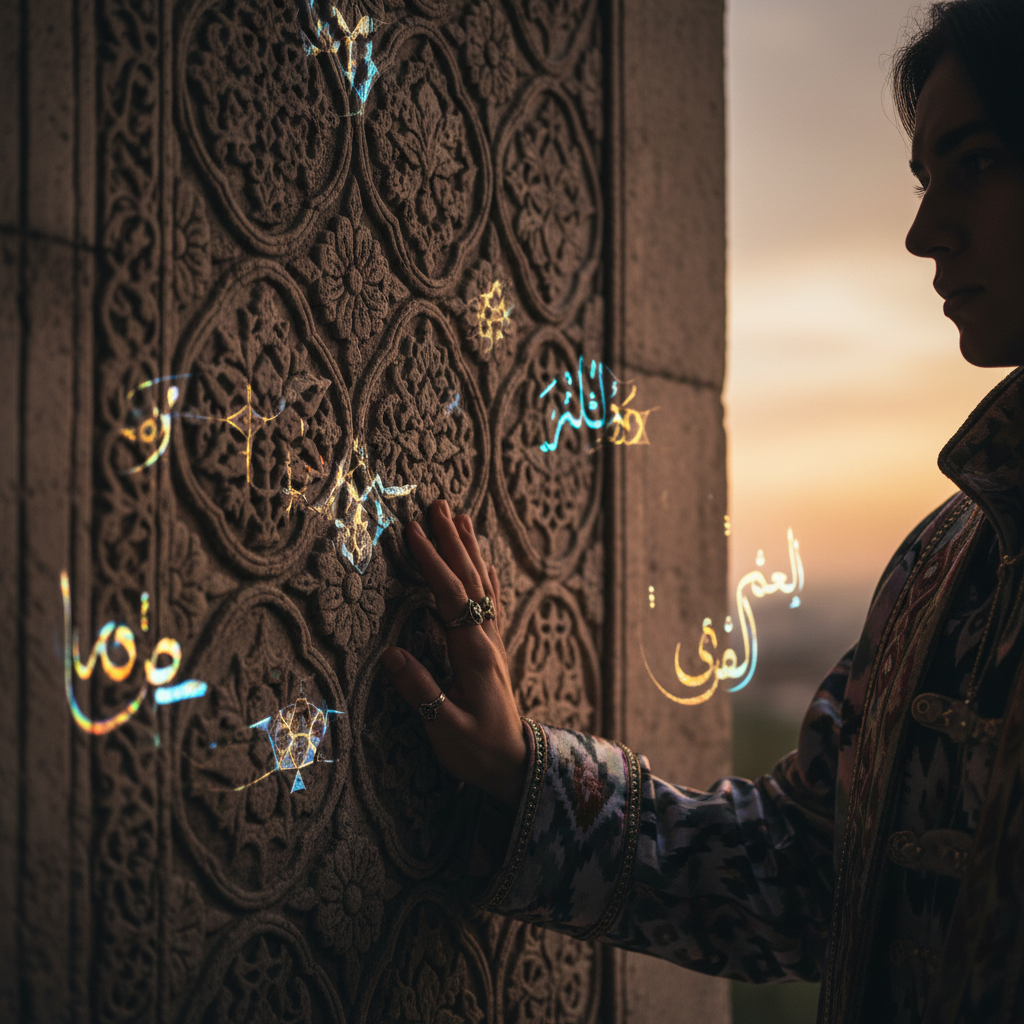
Eyüp Sultan Mosque: Stories Carved in Stone – A Look from 2026
Eyüp Sultan Mosque, a spiritual landmark in Istanbul, showcases the profound elegance of Ottoman architecture. Its design has captivated visitors for centuries, leaving an indelible mark on the city's fabric. As we look at it in 2026, the mosque's architectural elements continue to inspire and resonate deeply with its historical and aesthetic value.
Architecture of Eyüp Sultan Mosque: History and Aesthetics Carved in Stone (2026)
Eyüp Sultan Mosque, located in the spiritual heart of Istanbul, is not just a place of worship but also a unique work that reflects the elegance and deep history of Ottoman architecture. Specifically, the Architecture of Eyüp Sultan Mosque has been captivating visitors for hundreds of years and has left an indelible mark on the city's fabric. Even as we enter the year 2026, the architectural features of this sacred structure continue to be a source of inspiration for both historians and art lovers. Every detail of the mosque reveals the aesthetic understanding and engineering genius of the Ottomans. For a deeper dive into its origins, explore Eyüp Sultan Mosque: Its History and Architectural Secrets.
To understand the broader context of Ottoman religious architecture, you can find valuable resources on platforms like Islamic Arts and Architecture, which often highlight such significant structures.
Architecture of Eyüp Sultan Mosque and Traces of the Ottoman Classical Period
Eyüp Sultan Mosque, built by Fatih Sultan Mehmet after his conquest of Istanbul, was initially a more modest structure. However, through major repairs and reconstructions over the years, it acquired its present classical Ottoman architectural features. Especially after being extensively rebuilt during the reign of Selim III, the mosque stands as one of the finest examples of the typical Ottoman mosque plan. The Architecture of Eyüp Sultan Mosque showcases a rich blend of historical influences and masterful design. Interested in more architectural wonders? Discover other architectural secrets of the Eyüp Sultan Mosque.
Central Dome System
The Architecture of Eyüp Sultan Mosque reflects the elegance of the central dome system. A large main dome surrounded by semi-domes extending to four sides, and smaller domes around them, give the structure a majestic yet balanced appearance. This system creates a spacious and bright interior while offering an aesthetically pleasing silhouette from the outside.
Mosque's Material Selection
- Stone: Cut stone was used in the main structure. This is important for both durability and aesthetics.
- Marble: Finely crafted marble was used in important sections such as the ablution fountain (şadırvan), mihrab, and minbar.
- Tiles: 17th-century Iznik tiles stand out in the interiors and around the tomb, adding color and pattern to the architecture.
Architecture of Eyüp Sultan Mosque: Rich Decoration Details
The Architecture of Eyüp Sultan Mosque stands out not only with its monumental structure but also with its rich decoration details in both interior and exterior spaces. The ornamentation elements, which blend early Ottoman art with the Classical Period style, reinforce the mosque's spiritual atmosphere. For an in-depth view of its historical significance, consult historical details and architectural marvels.
The Place of Calligraphy
In the mosque's interiors, on the dome and wall surfaces, there are verses and hadiths written by prominent calligraphers of their time. These calligraphic inscriptions enhance the spiritual value of the mosque while also offering a visual feast. Such extensive use of calligraphy is an integral part of Ottoman mosque architecture, further enriching the Architecture of Eyüp Sultan Mosque.
Tile Work and the Dance of Colors
Especially the 17th-century Iznik tiles located around the tomb and in sections of the mosque hold great significance for the Architecture of Eyüp Sultan Mosque. These tiles, dominated by blue, white, turquoise, and green, are adorned with floral motifs and geometric patterns. The vibrant colors and intricate designs of the tiles add depth and richness to the spaces. For more on historical tile work, a reputable source like the Metropolitan Museum of Art offers extensive collections.
Wood and Plaster Work
Elegant craftsmanship, applied with techniques such as carving and inlay, can be seen in wooden elements like the minbar, preaching pulpit, and door wings. On the ceilings and upper parts of the walls, decorations created with pen work and embroidery on plaster complete the overall aesthetics of the mosque. These details reveal the delicacy of Ottoman artisans, contributing to the unique Architecture of Eyüp Sultan Mosque.
Tomb and Courtyard Arrangement: Heart of the Eyüp Sultan Complex
Eyüp Sultan Mosque is not just a mosque; it forms a complex (külliye) with surrounding structures such as the tomb, ablution fountain, cemeteries, and madrasah. This complex arrangement, especially when evaluated in the context of Eyüp Sultan Mosque architecture, presents an important example of Ottoman urban planning. This holistic approach to religious and community spaces is a hallmark of the period.
Eyüp Sultan Tomb
The tomb, located right next to the mosque, containing the grave of Hz. Abu Ayyub al-Ansari, is the most important point of the complex. The octagonal, domed tomb attracts attention with its exterior tiles and interior calligraphic inscriptions. The door and windows opening to the courtyard allow visitors to pray comfortably. The silver grilles and embroideries in its interior reinforce the spiritual atmosphere, showcasing another facet of the Architecture of Eyüp Sultan Mosque.
Ablution Fountain and Courtyards
The mosque's wide and airy courtyard offers a cool and peaceful environment, especially in the summer months. The marble ablution fountain in the middle of the courtyard is a central point where the congregation performs ablution and souls find peace with the sound of water. The elegant architecture and carved details of the fountain contribute to the overall aesthetics of the courtyard. The porticoes surrounding the courtyard provide shade for the congregation during prayer times and complete the architectural integrity of the Architecture of Eyüp Sultan Mosque complex.
Cemeteries and Green Areas
The historical cemeteries surrounding the mosque are silent witnesses reflecting Istanbul's ancient past. These cemeteries, in the shade of green areas and ancient plane trees, integrate with the mosque to form a spiritual fabric. This arrangement was planned to adapt to the topography of the complex.
Architecture of Eyüp Sultan Mosque: A Legacy from Past to Future (2026)
In 2026, the Architecture of Eyüp Sultan Mosque still preserves its original magnificence and continues to host millions of people. The architectural features of this structure are not just a place of worship, but also a work of art and a cultural heritage. The mosque's plan scheme, material usage, ornamentation techniques, and complex concept carry the fundamental principles of Ottoman architecture to the present day.
Continuous Conservation and Restoration Works
In 2026 and the years preceding it, significant conservation and restoration works have been carried out to preserve the historical structure for the future. These works aim to increase the mosque's resistance against aging and natural conditions without compromising its original texture. These projects, which also utilize modern technologies, allow for deeper insights into the Architecture of Eyüp Sultan Mosque. For details on ongoing preservation efforts, you might look into the UNESCO World Heritage Centre's reports on historic sites in Istanbul.
Education and Promotion Activities
The mosque and its complex are central to many educational and promotional activities. They offer an important area of study for architecture students, historians, and researchers. Through virtual tours, digital archives, and interactive exhibitions, the architecture and history of Eyüp Sultan Mosque are being conveyed to wider audiences worldwide. In this way, the monumental and aesthetic value of the mosque is passed on to future generations.
Eyüp Sultan Mosque is not just a place, but also an emotion, a belief, and a bridge of history. The stories carved into its stones, the meanings hidden in its architectural details, will continue to inspire its visitors forever. The enduring beauty and spiritual significance of the Architecture of Eyüp Sultan Mosque make it a timeless masterpiece.
Sıkça Sorulan Sorular
What is the architectural style of Eyüp Sultan Mosque?
The Eyüp Sultan Mosque primarily showcases classical Ottoman architectural features. After substantial reconstructions, particularly during the reign of Selim III, it adopted a distinguished central dome system, making it a prime example of typical Ottoman mosque planning even in 2026.
What materials were used in the construction of Eyüp Sultan Mosque?
The main structure of Eyüp Sultan Mosque utilizes cut stone for durability and aesthetics. Finely crafted marble is present in significant areas like the ablution fountain, mihrab, and minbar. Additionally, 17th-century Iznik tiles adorn the interiors and around the tomb, contributing vibrant color and intricate patterns to its design.
How do decorative elements contribute to the architecture of Eyüp Sultan Mosque?
The mosque's rich decorative details, both inside and out, significantly enhance its spiritual atmosphere. Calligraphic inscriptions featuring verses and hadiths by master calligraphers are prominent on dome and wall surfaces. The exquisite 17th-century Iznik tiles also add a vibrant 'dance of colors' and intricate patterns, blending early Ottoman art with the Classical Period style.